E l i z a G u e r r a —
from The Periphery is Ill with Boundary
The dream is the remedy for time and space: a time in which all times exist
at once, a place that melds many places.
ELENI STECOPOULOS
Dreaming in the Fault Zone
Your relation radiates into a numerical field, and the field sends back infinite
permutations…the field is objectless, like dreams pouring from her.
MEI-MEI BERSSENBRUGGE
Four Year Old Girl
The point of view is dead.
When it died, it became a vastness, an area instead of a coordinate, a field instead of a body.
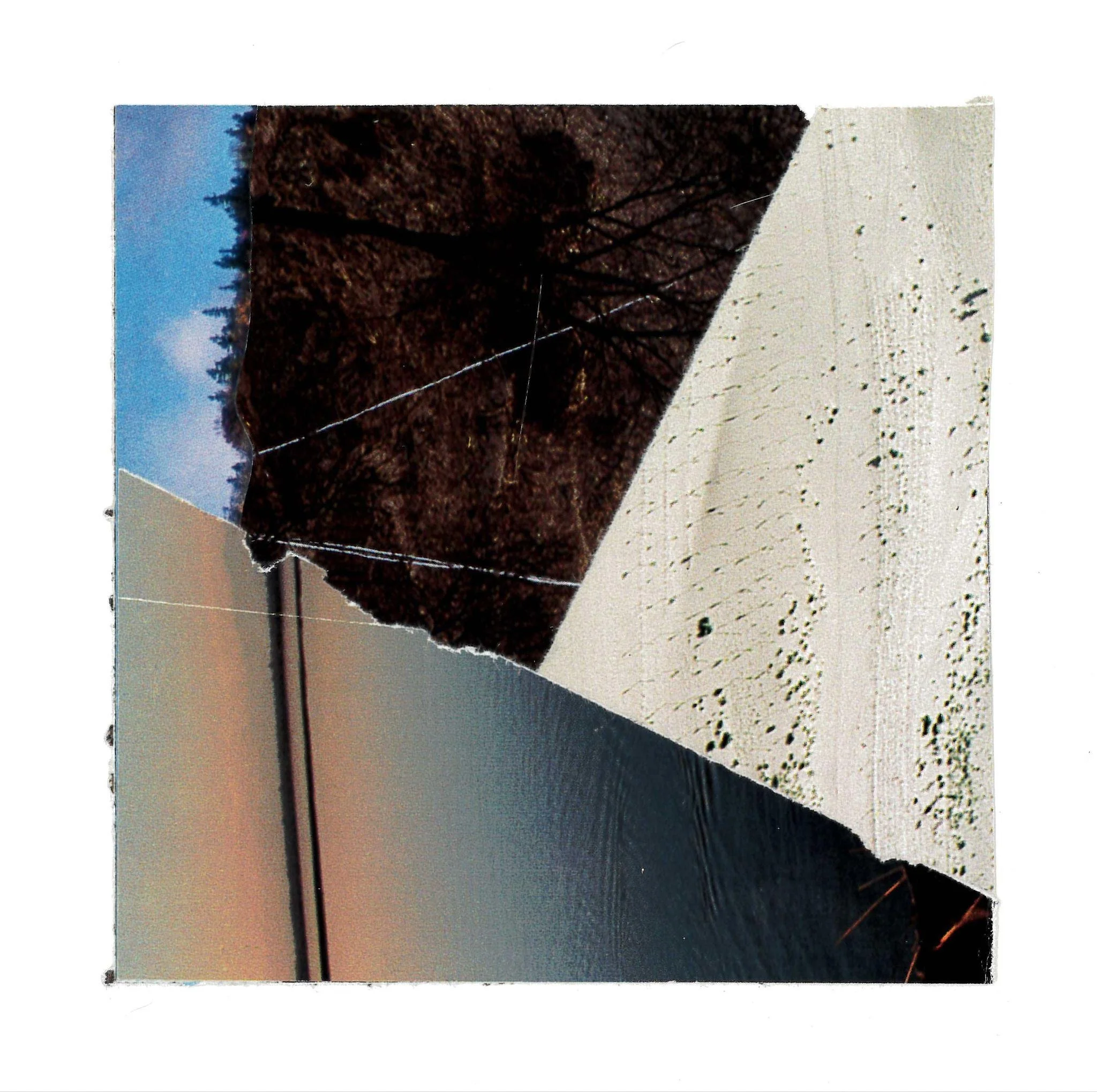
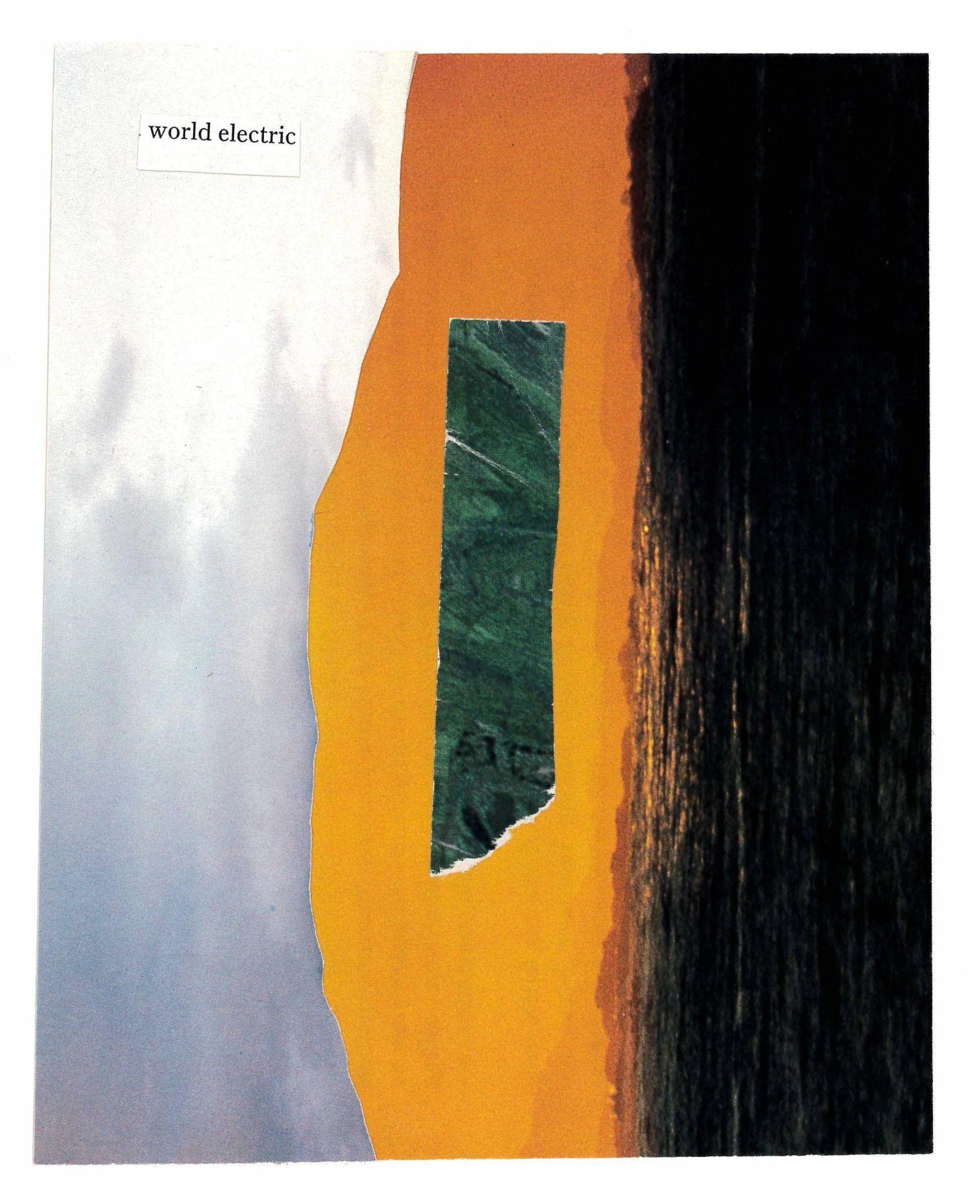
The periphery rearranges itself into an assemblage solely composed of horizons.
An occulum for dreaming the end, that impossible alignment.
In debt to the void, the periphery is dreaming in satin again, the texture of which derives
from the hills exuding protein fibers of an object horror from their porous spine.
The hills are dreaming a sky blaring with the angels on fire for the rift, a sky swelling with
the blue of mirth.
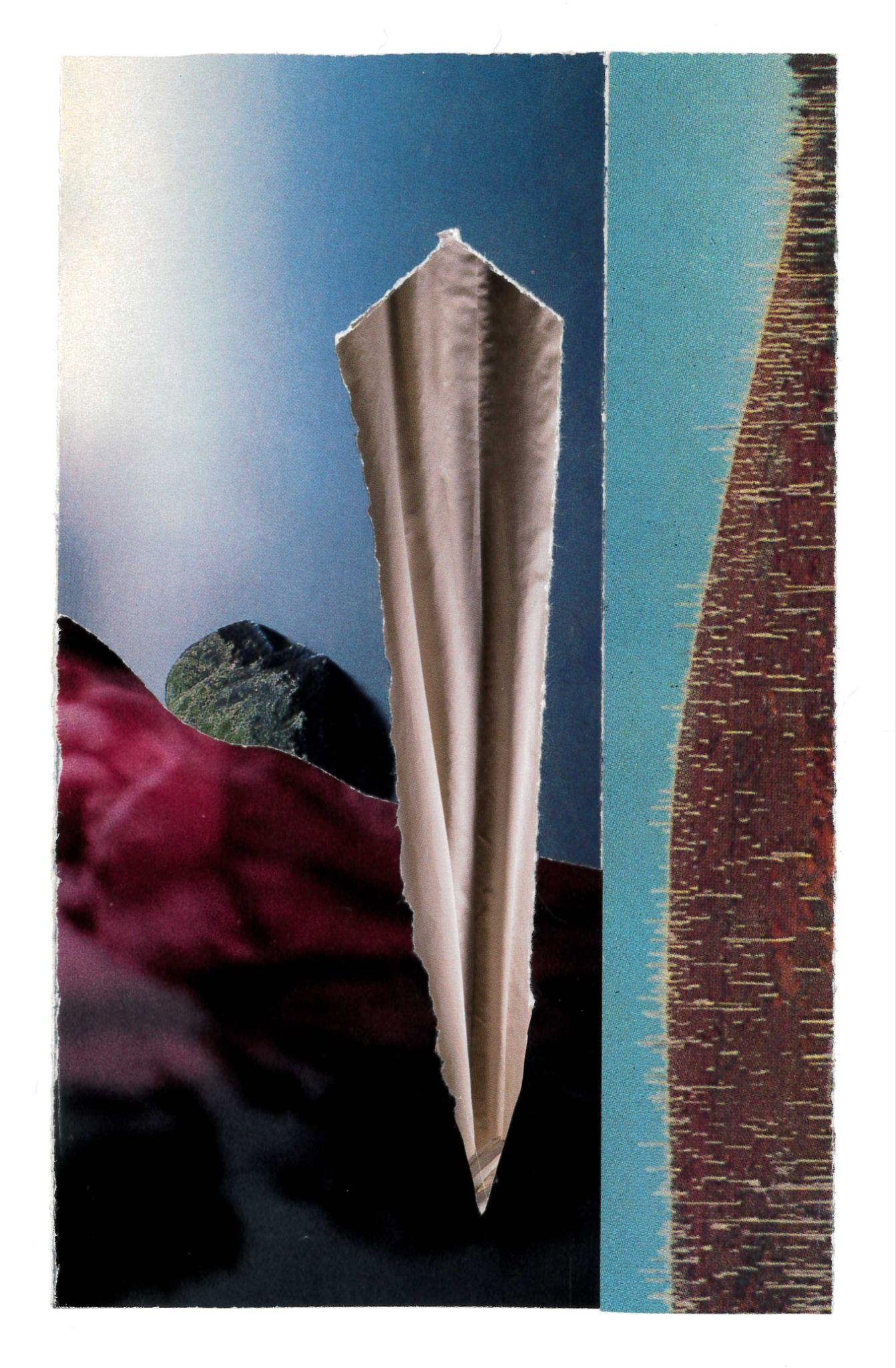
These strange relations weave between parts of the landscape and from the landscape to
the horizon as an unembodied subject.
The landscape condenses within itself an entire environment and becomes the imago of an
entire world.
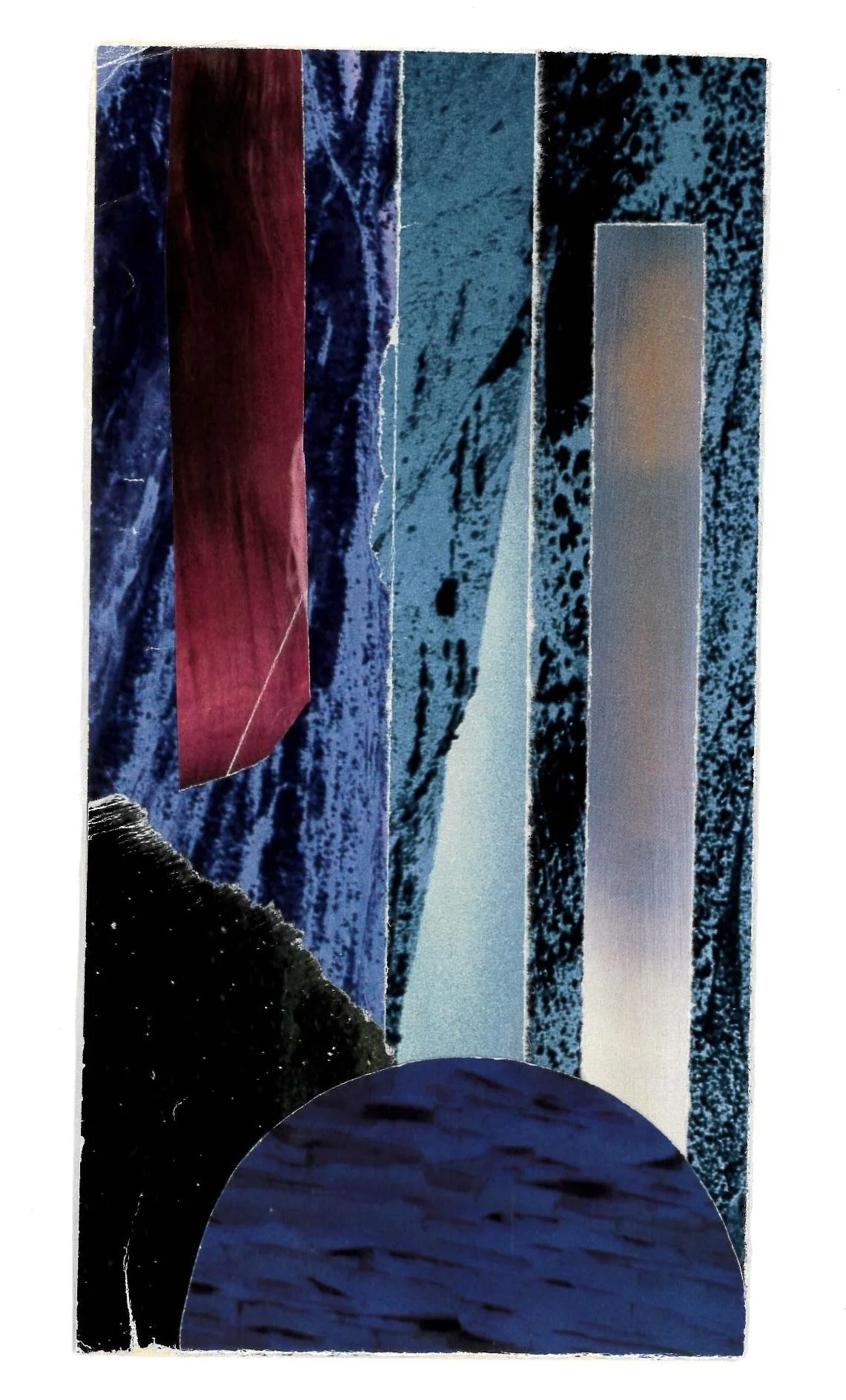
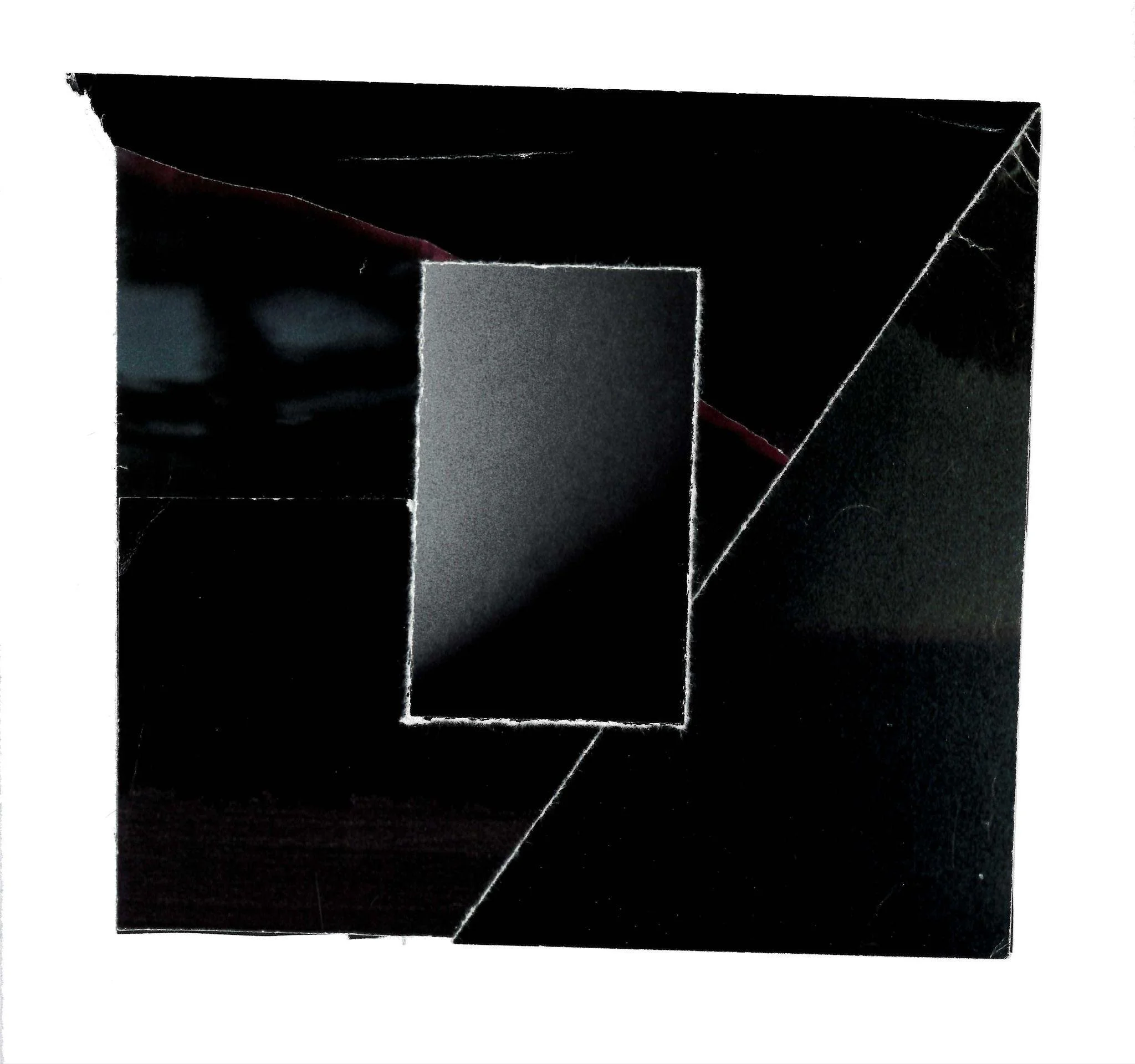
As it dreams, the periphery is itself a symptom of the dream; it is alive with collapse,
divergent with particle noise and fog division.
The landscape itself is the landscape seen from nowhere.
Here, the intervals between things become things themselves, responding to questions
latent in the landscape, resolving problems only posed in the form of a troubled
convergence, organizing elements that until then did not belong to the same environment.
Matter inhabits the subjectivity of the periphery while the periphery limns the problem of
subjectivity through cloud modulations; what the periphery knows it knows by touch.
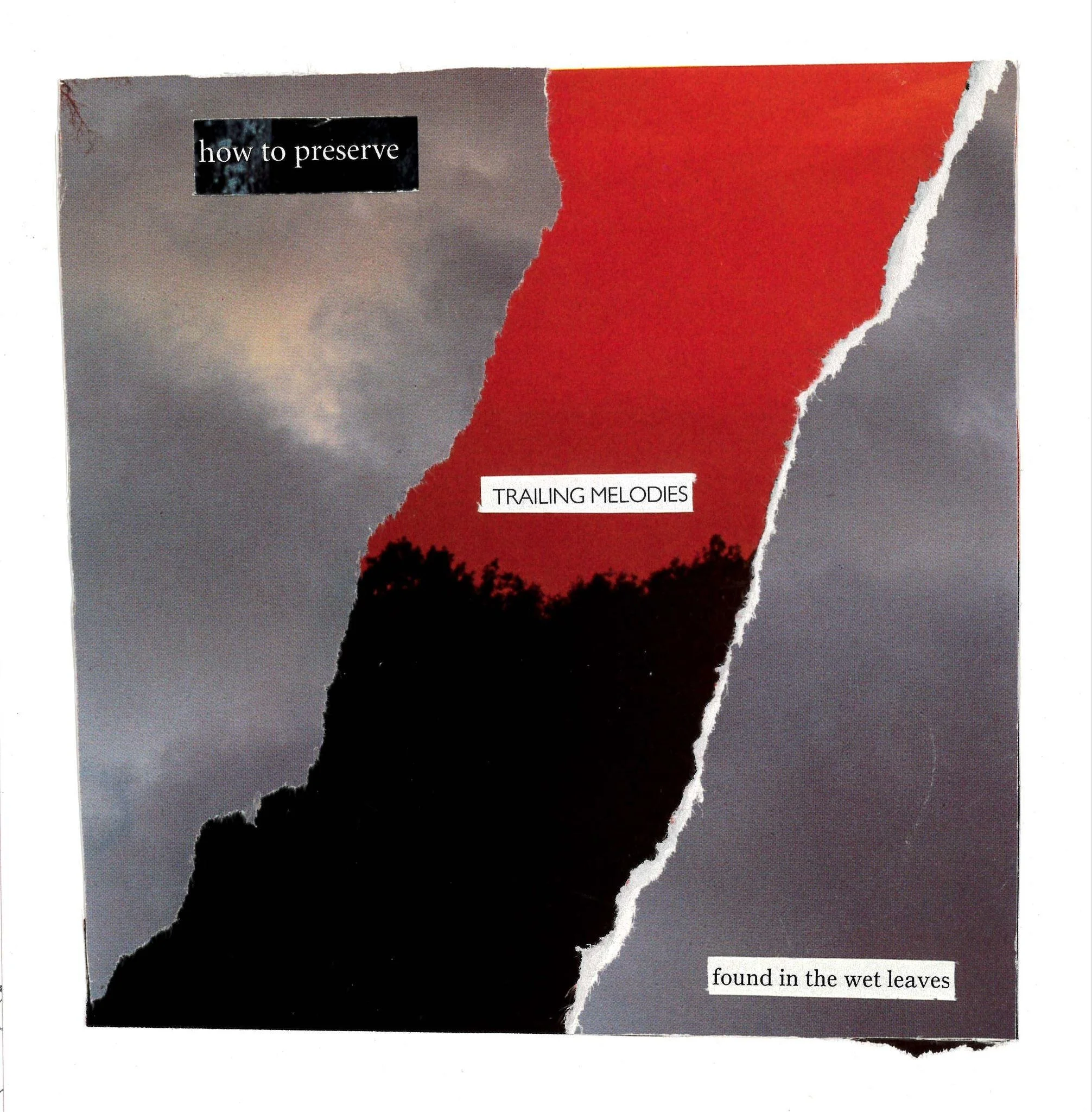
The intervals between fields and the drift of sliding landscapes along the contours of these
intervals is like the movement of a melodic shape.
The rift is a portal for becoming, a quantum season around which the periphery embroiders a
dreamscape out of improvised frames, their edges seething with the interpollutions of their
troubled elsewheres.
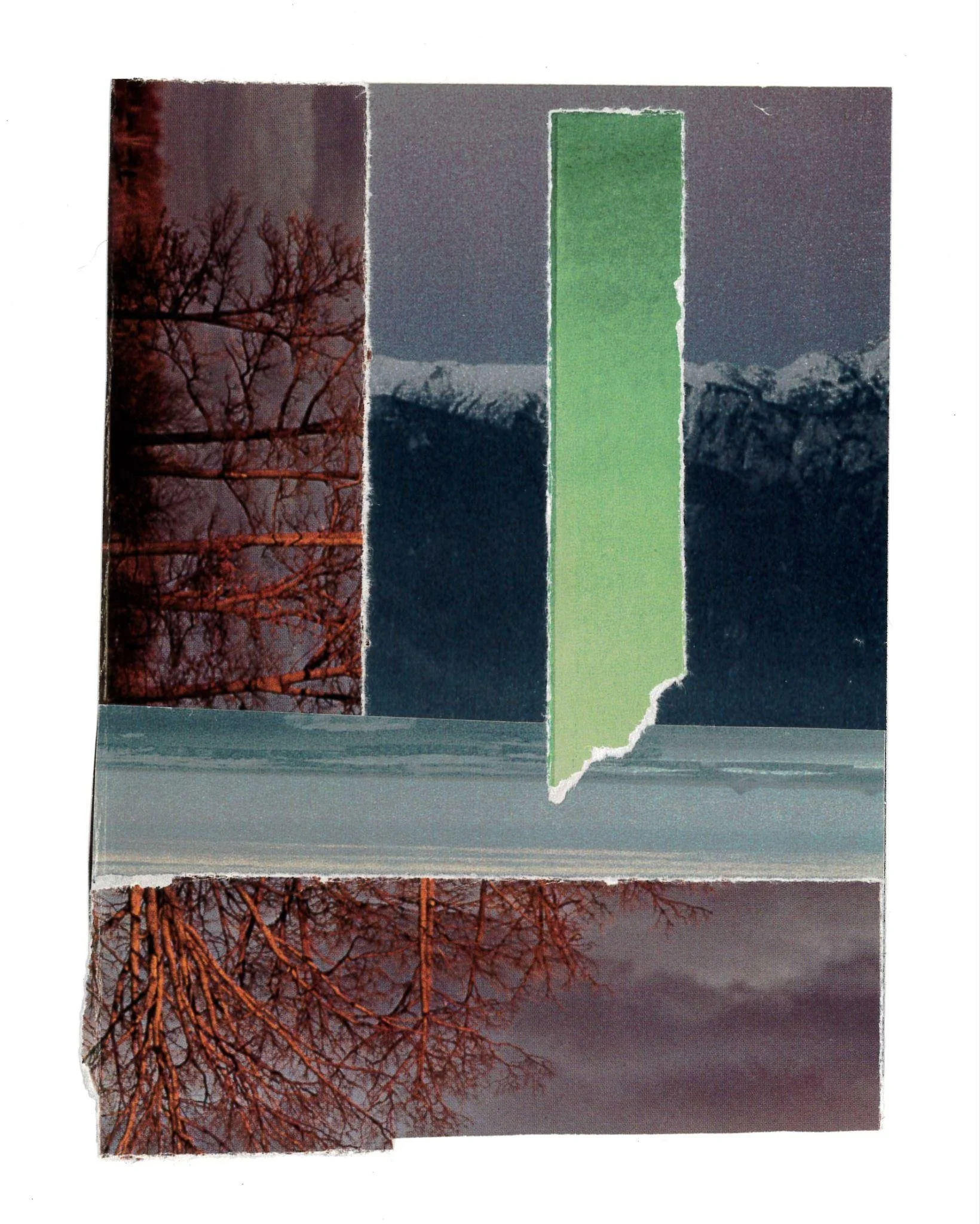
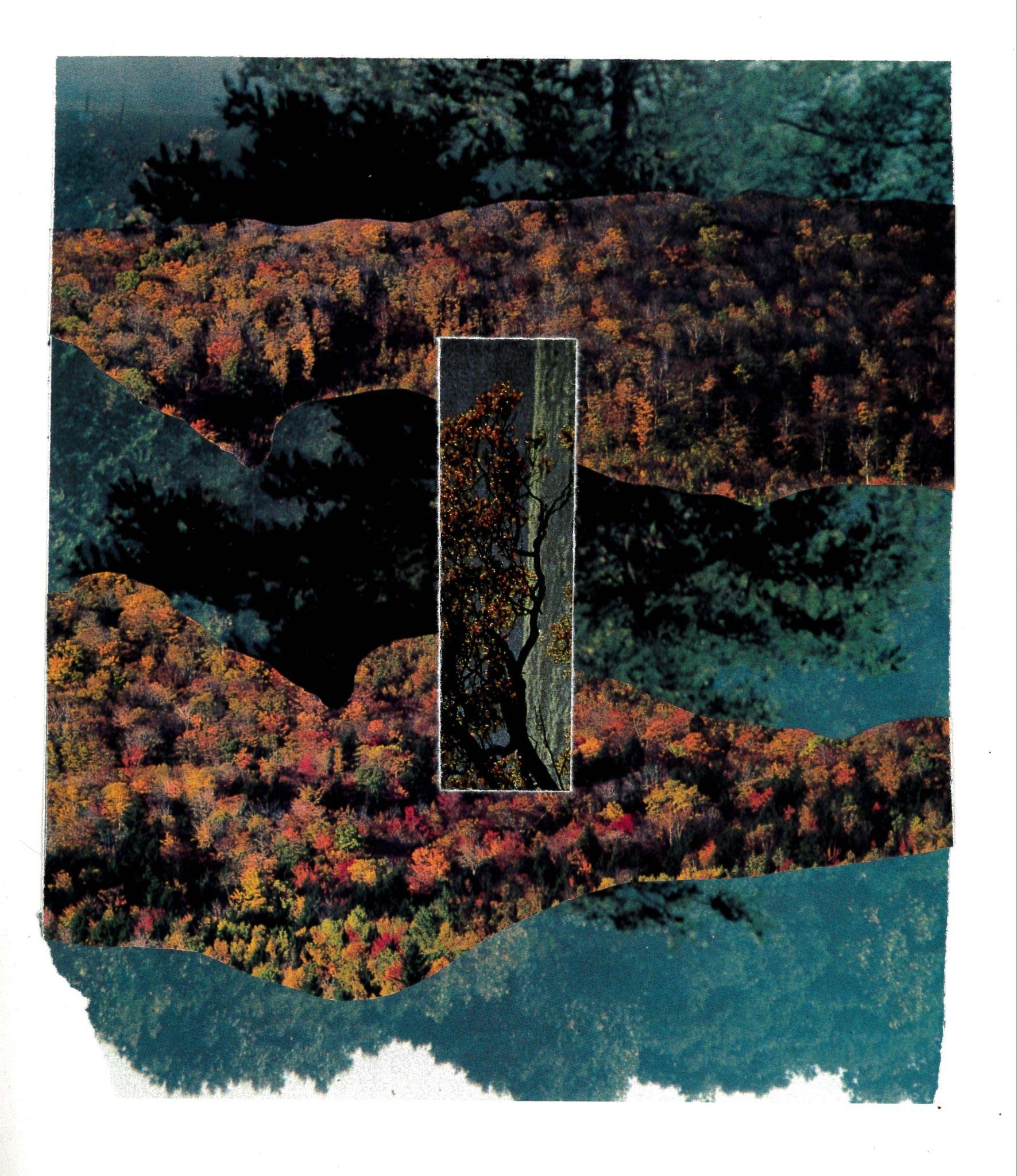
Places in space are not defined as objective positions in relation to the objective position of
other bodies, but rather they inscribe around themselves the variable reach of material
intentions and gestures.
The landscape itself is the landscape seen from everywhere.
Note: Some lines have been adapted from Maurice Merleau-Ponty’s Phenomenology of Perception (1945).